
How to Improve Your Landing Page Conversion Rate

Your landing page is one of the most powerful tools in your marketing arsenal. It is where visitors decide whether to take action or leave. Even the smallest design or content mistake can make or break a sale.
Before we dive into optimization strategies, let’s start with the basics.
What Is a Landing Page and Why It Matters for Conversion Rates
A landing page is a standalone web page designed with a single purpose: to convert visitors into leads or customers. It is typically where users “land” after clicking a digital ad, email campaign or promotional link.
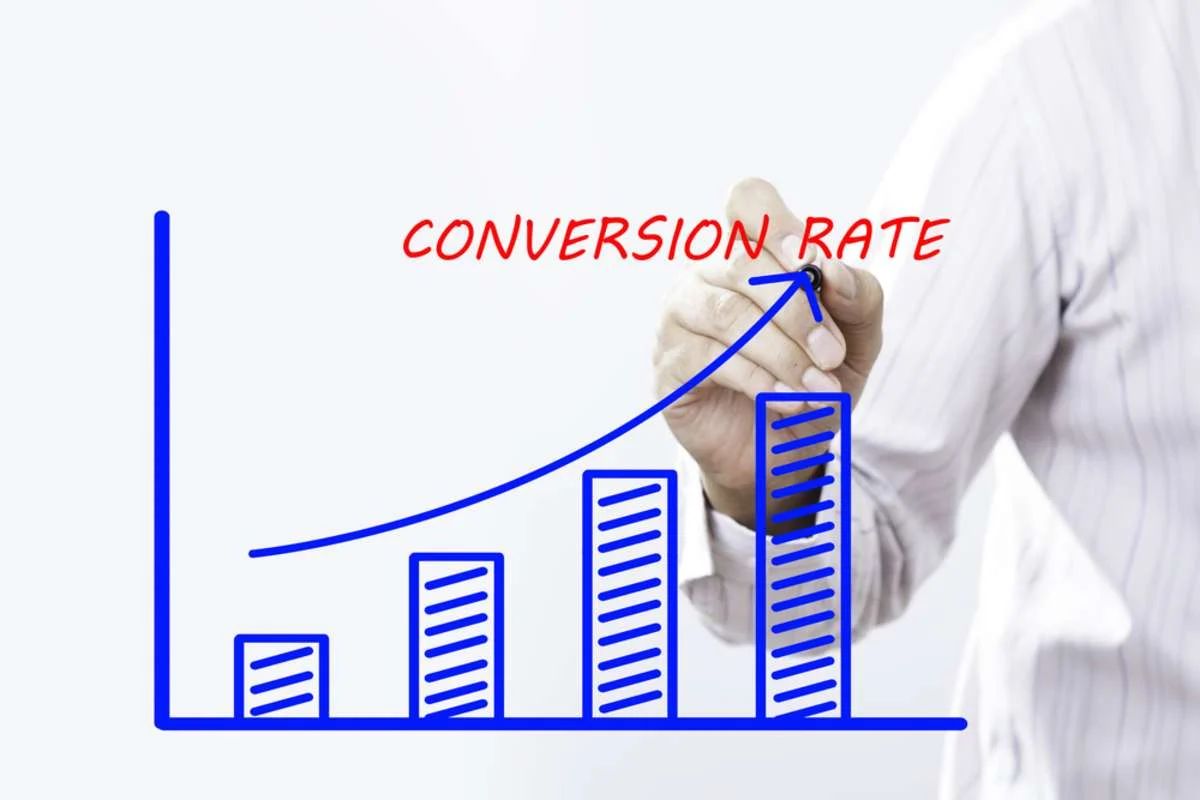
A well-optimized landing page can dramatically improve your conversion rate, meaning a higher percentage of visitors take the action you want, whether it is making a purchase, signing up or requesting a quote.
Why Optimizing Landing Pages Is Important
Beyond conversion rates, optimizing your landing pages brings several other benefits:
- Enhances user experience and builds trust among visitors.
- Develops brand awareness and supports your wider business goals.
- Improves marketing ROI, ensuring your ads and campaigns perform better.
- Generates useful insights about your audience and their preferences.
Now that you understand the importance of a landing page, let’s go through the 7 essential tips to optimize it effectively.
1. Know the User Intent
The first step is understanding why visitors are coming to your page. Are they looking for information, comparing services or ready to buy?
Analyze your site’s search queries and traffic sources to identify user intent. Once you understand what your audience wants, you can write your content, design, and offers to match their expectations.
When your landing page aligns perfectly with user intent, conversion rates naturally rise.
2. Provide Relevant and Convincing Content
Your landing page content must clearly communicate value. Keep it relevant, concise and benefit-driven, avoid long paragraphs or filler text.
Use attention-grabbing headlines, short sentences, and bullet points to make it easy to read. Highlight the benefits of your offer, not just its features, and include facts or statistics to make your claims more credible.
Remember, you only have seconds to convince a visitor to stay, make every word count.
3. Use an Influential Call-To-Action (CTA)
Your Call-To-Action (CTA) is the heart of your landing page. It’s what drives users to take the next step whether that’s signing up, booking a call, or making a purchase.
Best practices:
- Use clear and action-oriented text (e.g., “Get Your Free Quote” instead of “Click Here”).
- Make your CTA button stand out visually with contrasting colors.
- Place it above the fold and repeat it strategically across the page.
- Avoid offering too many CTAs, focus on one clear conversion goal.
A strong CTA removes friction and gives visitors confidence to act.
4. Optimize Your Landing Page Form
If your goal is to collect leads, your form design is crucial. Keep it short, simple, and relevant, every additional field decreases completion rates.
Tips to optimize your form:
- Only ask for essential information (e.g., name, email, phone).
- Use clean fonts, clear labels, and plenty of white space.
- Guide users to the form with directional cues or benefit statements (“Get instant access”).
The easier it is to fill out your form, the more conversions you’ll get.
5. Use the Right Images
Visuals play a major role in capturing attention and building trust. Avoid generic stock photos, use high-quality, relevant images that align with your offer or product.
Good visuals:
- Make your message more believable.
- Increase emotional connection with visitors.
- Support your copy instead of distracting from it.
Always optimize images for fast loading, compress file sizes, add descriptive alt text, and choose the right format (WebP or optimized JPEG).
6. Perform A/B Testing
There is no such thing as a “perfect” landing page, only one that keeps improving. A/B testing (also known as split testing) helps you compare two versions of your page to see which performs better.
You can test:
- Headlines
- CTA button text and color
- Form length
- Page layout
- Images or testimonials placement
Even small changes can make a big difference. Use tools like Google Optimize, VWO or Hotjar to gather data and refine your page continuously.
7. Reduce Page Loading Time
Page speed directly impacts conversions. Studies show that even a 1-second delay in load time can reduce conversions by 7–8%.
Ways to speed up your landing page:
- Compress images and videos.
- Avoid heavy animations or unnecessary scripts.
- Use browser caching and a reliable hosting platform.
- Optimize code by minifying CSS and JavaScript.
Faster pages keep users engaged and Google rewards them with better rankings too.
Common Mistakes to Avoid
Even small errors can hurt performance. When optimizing your landing page, make sure to avoid these common pitfalls:
- Using your homepage as your landing page.
- Asking for too much information in forms.
- Overloading the page with unnecessary links or distractions.
- Using irrelevant or fake images.
- Ignoring mobile optimization.
Final Thoughts
Landing pages are the foundation of every successful digital marketing campaign. If you are running ads or email campaigns, an optimized landing page ensures every click counts.
Follow these steps to understand your audience, craft clear CTAs, use strong visuals, and continuously test your design. The result is higher conversion rates, more leads and better ROI.