
How Backlinks Can Hurt Your Website's Ranking

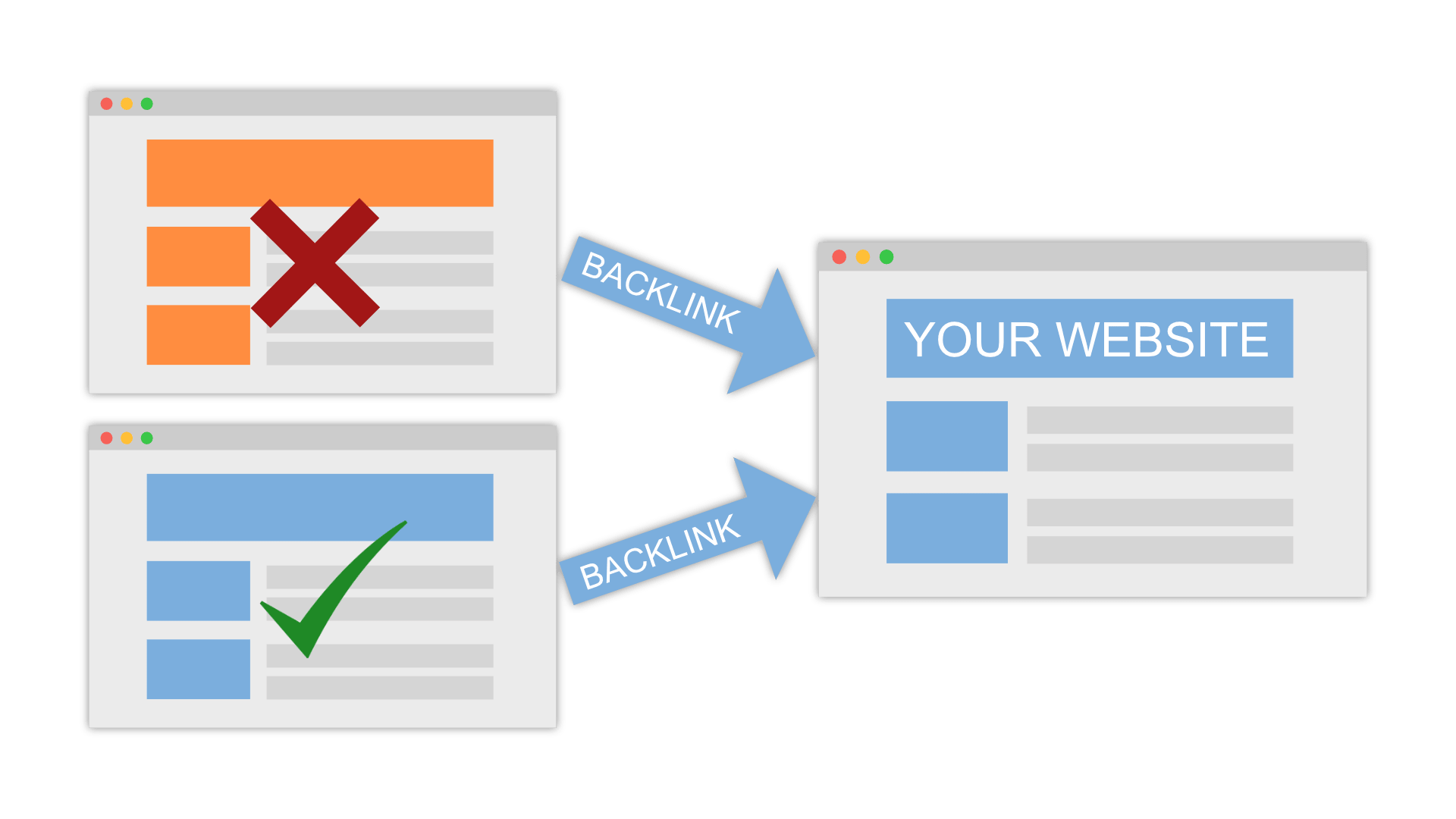
Backlinks are often called the “currency of SEO.” And for good reason — quality backlinks from reputable sites can dramatically improve your website’s visibility on search engines. But what most people don’t know is that not all backlinks are created equal. In fact, bad backlinks can hurt your site more than help it — sometimes even resulting in penalties from Google.
If you've been wondering why your website isn’t ranking despite having dozens or hundreds of backlinks, you might be dealing with toxic backlinks.
What Are Bad or Toxic Backlinks?
Bad backlinks are links from websites that are considered low-quality, spammy, or irrelevant in the eyes of search engines. Google’s algorithms, especially Penguin (launched in 2012 and baked into the core algorithm since 2016), are designed to catch and penalize unnatural backlink profiles.
Common sources of bad backlinks include:
- Link farms and private blog networks (PBNs)
- Spammy directories or article submissions
- Irrelevant websites that have nothing to do with your industry
- Foreign-language sites with no topical connection
- Sites filled with ads, popups, or scraped content
- Paid links without proper disclosure (violating Google's guidelines)
How Bad Backlinks Affect Your SEO
1. Google Penalties
If Google finds that your site is manipulating rankings through unnatural links, you could face a manual action or algorithmic penalty. This often results in a sudden drop in traffic or disappearance from search results entirely.
2. Loss of Trust
Even without a formal penalty, Google's algorithms use backlink profiles to assess trustworthiness. A site surrounded by spammy links may be viewed as manipulative or unreliable.
3. Diluted Link Authority
Too many poor-quality backlinks can dilute the authority passed from your good links. In simple terms, one high-quality backlink is worth far more than 100 junk ones.
4. Wasted Crawl Budget
Search engines allocate a limited crawl budget to every website. If bots spend time crawling irrelevant or spammy backlinks, it can affect how well your site is indexed.
How to Identify Harmful Backlinks
Use tools like:
- Google Search Console (look for manual actions or sudden changes)
- Ahrefs
- SEMrush
- Moz
- Majestic SEO
Look out for:
- Backlinks from non-indexed domains
- Exact match anchor text used excessively
- Irrelevant foreign domains
- Sudden spike in backlinks
- Links from spammy or penalized domains
How to Deal With Bad Backlinks
1. Remove Them (If You Can)
Reach out to the site owner and ask them to take down the link. This works best when the site is still operational and you can find a contact email.
2. Use Google’s Disavow Tool
If manual removal isn’t possible, create a disavow file and submit it to Google. This tells them to ignore specific backlinks when evaluating your site.
⚠️ Use disavow with caution. You should only do this if you are confident that the links are harmful and unnatural.
3. Clean Up Your Profile Regularly
Make backlink audits a part of your SEO routine. Every few months, scan your profile to ensure no new spammy links have slipped through.
Preventing Bad Backlinks in the Future
- Avoid cheap SEO services that promise hundreds of links for a few bucks.
- Focus on content marketing and digital PR to attract quality backlinks naturally.
- Guest post wisely — only on relevant, high-quality sites.
- Don’t buy links unless you fully understand the risks (and if you do, disclose them).
Final Thoughts
Backlinks can make or break your SEO strategy. While the right backlinks can push your site to the top of search results, the wrong ones can bury it. Don’t just chase link quantity — focus on relevance, trust and quality.
If you suspect your backlinks are doing more harm than good, it’s time to take a closer look.